
Payment Gateway For Website: 5 Must-Have Features That Actually Matter

Payment Gateway For Website: 5 Must-Have Features That Actually Matter Let’s be real — when a customer reaches your checkout page, the last thing you want is for them to hesitate. One confusing step, one security warning, or one missing payment option, and they’re gone. That’s why choosing the right payment gateway for your website isn’t just a technical decision — it’s a business-critical one. Whether you’re launching your first online store or scaling an established brand, here are five features you genuinely need to look for. 1. Security That Your Customers Can Actually Feel Nobody enters their card details on a website they don’t trust. And honestly? They shouldn’t have to. A solid payment gateway for your website needs to go beyond basic protection. Here’s what that looks like in practice: PCI DSS Compliance is non-negotiable. This is the global standard for handling card data securely, and any gateway worth considering should meet it fully — not just partially. Strong encryption (AES-256) scrambles sensitive data so that even if it’s intercepted, it’s completely unreadable. Think of it as a lockbox that only the right parties can open. Fraud prevention tools should be working quietly in the background on every single transaction — checking things like: How frequently transactions are being made from the same source (velocity checks) Whether the billing address matches what the card issuer has on file (AVS) That extra three-digit code on the back of the card (CVV verification) A one-time password sent to the cardholder before a transaction is approved (3D Secure Authentication) When customers feel safe, they buy with confidence. It’s that simple. 2. A Checkout Experience That Doesn’t Get in the Way Here’s something most business owners don’t hear enough: a slow or clunky checkout costs you money every single day. A great payment gateway for your website should make the buying process feel effortless — not like filling out a tax form. That means: Multiple payment options:- Credit and debit cards are just the starting point. Offer e-wallets like PayPal and Apple Pay, buy-now-pay-later options, and even Open Banking transfers. The more choices you give customers, the fewer reasons they have to leave. One-click checkout for returning customers:- Let people securely save their payment details so they’re not re-entering their card number every time. This alone can meaningfully lift your repeat purchase rate. Mobile-first design:- More than half of online shopping happens on a phone. Your payment gateway needs to look and work perfectly on small screens — including support for Google Pay and Apple Pay tap-to-pay. Guest checkout:- Not everyone wants to create an account just to buy something. Give first-time buyers a frictionless path to purchase. And if you’re selling internationally, make sure your gateway handles multiple currencies and languages natively. Showing a customer their total in a foreign currency they don’t recognize is a fast way to lose the sale. 3. Reporting and Analytics That Actually Tell You Something Useful Your payment gateway isn’t just a transaction tool — it’s a data goldmine, if you know how to use it. The best gateways give you access to: Full transaction histories — every purchase, with the date, amount, payment method, and customer details logged clearly. This makes reconciliation far less painful. Customer behavior insights — things like average order value, how often people buy, which products are most popular, and what payment methods your audience prefers. Real-time dashboards — so you can see what’s selling right now, catch abandoned carts as they happen, and keep a clear eye on your cash flow without waiting for end-of-month reports. This kind of visibility turns guesswork into decision-making. You start spotting patterns, fixing problems early, and allocating your resources where they’ll actually make a difference. 4. Integrations That Slot Into Your Existing Setup The best payment gateway for your website is one that works with the tools you already rely on — not against them. Look for native integrations with: Your shopping cart platform — so checkout data flows automatically without manual workarounds Your accounting software — so bookkeeping and reconciliation happen with minimal effort on your end Your CRM — so every transaction enriches your customer profiles and helps you personalize future interactions When your systems talk to each other seamlessly, you spend less time on admin and more time on what actually moves your business forward. 5. Scalability That Keeps Up With Where You’re Headed The gateway that works well for 50 orders a week might buckle under 5,000. And the one that’s fine for domestic sales might not be built for international expansion. Think ahead when making your choice: Can it handle your projected transaction volume without slowdowns or failures? Does it support the currencies and compliance requirements of the markets you want to enter? If your business moves into higher-risk territory, does it offer specialist merchant account options? Choosing a flexible, scalable solution now saves you the headache of switching platforms later — which is costly, time-consuming, and disruptive to your customers. The Bottom Line Picking the right payment gateway for your website comes down to five things: ironclad security, a smooth checkout experience, insightful data, smart integrations, and room to grow. Get those right, and you’re not just processing payments — you’re building the kind of trust and convenience that keeps customers coming back. If you’re ready to upgrade your payment infrastructure, Payments Clarity offers tailored solutions including international payment gateways and specialized merchant accounts. Reach them at hello@paymentsclarity.com or +447466507219. General FAQs What is a payment gateway for a website and how does it work? A payment gateway for a website is a technology that securely connects your online store to a customer’s bank or card issuer. When a customer hits “pay,” the gateway encrypts their payment details, sends them to the payment processor for approval, and then confirms the transaction — all within a matter of seconds. Think of it as the digital equivalent of a card reader in a physical shop, just running invisibly
How Do I Register An Offshore Company in 2026
How Do I Register An Offshore Company In the powerful universe of web based betting, casinos face a remarkable arrangement of difficulties with regards to payment handling. With administrative intricacies, potential chargebacks, and fluctuating legitimate scenes, finding the right high risk merchant account is fundamental for supported activities. This guide expects to reveal insight into the complexities of high risk merchant accounts for casinos, investigating arrangements like international payment gateways and Casino Payment Gateways, while highlighting the job of Payment Gateway for Casino suppliers in guaranteeing consistent exchanges. The global business landscape is a dynamic tapestry, constantly evolving with new opportunities and challenges for entrepreneurs. As businesses seek to expand their reach and optimize operations, the concept of offshore companies has emerged as a compelling strategy for many. However, for those unfamiliar with the process, navigating the world of Register an Offshore Company can seem like venturing into uncharted territory. This comprehensive guide aims to be your lighthouse, illuminating the path towards establishing an offshore company. We’ll delve into the benefits these structures offer, explore the offshore company formation process step-by-step, and touch upon the crucial aspect of opening an offshore bank account. Unlocking the Potential of Offshore Companies Before embarking on offshore company registration, it’s vital to understand the advantages this approach can bring to your business. There are a number of noteworthy benefits to consider: Tax Optimization: A significant draw for many businesses is the attractive tax regimes offered by offshore jurisdictions. These jurisdictions often boast low or even zero corporate tax rates, translating into substantial financial savings. Enhanced Asset Protection: Offshore companies can act as a shield against potential legal or financial liabilities faced in your home country. By separating your business assets, you create an additional layer of security, safeguarding your hard-earned resources. Increased Flexibility: Offshore company structures typically provide greater flexibility in terms of management structure and reporting requirements. This streamlined approach can make running your business more efficient and allow for faster decision-making. Global Market Access: Establishing an offshore presence can open doors to new markets and forge international partnerships. This is particularly beneficial for businesses targeting specific regions or customer demographics, allowing them to tap into a wider market share. A Step-by-Step Guide to Offshore Company Formation Now that you understand the potential benefits, let’s delve into the nitty-gritty of the offshore company registration process. While specifics may vary slightly depending on the chosen jurisdiction, here’s a general roadmap to guide you: Choosing Your Jurisdiction: This initial step is crucial, as different countries offer varying tax rates, legal frameworks, and required documentation. Conduct thorough research to identify a jurisdiction that aligns with your business goals and complies with relevant regulations. Consider factors like political and economic stability, ease of doing business, and the availability of double taxation treaties with your home country. Selecting a Company Name and Structure: After choosing your jurisdiction, brainstorm a unique and available company name that complies with local naming regulations. You’ll also need to decide on the company structure, such as a Limited Liability Company (LLC) or an International Business Company (IBC). Each structure offers specific advantages and disadvantages, so consulting with a professional familiar with your business objectives is recommended. Appointing Nominee Directors and Shareholders (Optional): In some jurisdictions, you may opt for nominee directors and shareholders, providing an additional layer of privacy for the beneficial owners (those who ultimately control the company). However, ensure this option aligns with your business goals and local regulations. Some jurisdictions may restrict the use of nominee directors for certain business activities. Preparing Required Documents: Gather all necessary documentation as outlined by the chosen jurisdiction. This typically includes identification documents for directors and shareholders, proof of address for both, and a business plan outlining your company’s activities. Engaging an Offshore Service Provider: Considering the legalities involved, partnering with a reputable offshore service provider can streamline the registration process. They can handle document preparation, liaise with local authorities on your behalf, and ensure compliance with all regulations. Opening an Offshore Bank Account: Once your company is registered, consider opening an offshore bank account to manage your business finances. This allows for international transactions and further optimizes your financial operations. Different banks cater to offshore companies, so research and compare their offerings to find the one that best suits your needs. Important Considerations for a Smooth Journey While offshore company registration offers numerous advantages, it’s essential to approach it with caution and due diligence. Key considerations include the following: Compliance is Paramount: Operating an offshore company requires strict adherence to local and international regulations. Failing to comply can lead to hefty fines or even company closure. It is vital to maintain awareness of any modifications to regulations. Substance Requirements: Some jurisdictions have implemented “substance requirements” to combat tax evasion. This may involve demonstrating a physical presence in the country or local economic activity. Ensure your chosen jurisdiction and business model align with these requirements to avoid any complications. Anti-Money Laundering (AML) and Know Your Customer (KYC) Regulations: Offshore jurisdictions are increasingly implementing robust AML and KYC regulations. Be prepared to provide thorough documentation, such as proof of identity and source of funds, to verify the legitimacy of your business activities. Beyond the Basics: Additional Considerations for Aspiring Offshore Business Owners Tax Implications: Tax implications for offshore businesses can vary depending on your residence, the jurisdiction of your offshore company, and the nature of your business activities. It’s crucial to consult with a qualified tax advisor to understand your specific tax obligations and ensure compliance with both your home country and the offshore jurisdiction. They can advise you on strategies to minimize your tax burden while staying within legal boundaries. Accounting and Reporting Requirements: While offshore jurisdictions may offer simplified reporting structures compared to some onshore jurisdictions, there will still be accounting and reporting requirements to fulfil. The specific requirements will vary depending on the chosen jurisdiction and the complexity of your business structure. Working with a qualified accountant familiar with offshore regulations can ensure your company maintains accurate financial records and fulfils all filing obligations. Types of Offshore Companies: Understanding the different types of offshore companies available can help you choose
Guide to High-Risk Business Success

Guide to High-Risk Business Success Operating a high-risk business presents a unique set of challenges. Beyond the inherent risk associated with the product or service itself, these businesses face a complex web of regulations, an uphill battle against chargebacks, and the constant struggle to build trust with customers and partners. This Guide to High-Risk Business Success explores these key challenges and offers strategies to navigate them successfully. Regulatory Hurdles: A Labyrinth of Compliance High-risk businesses operate within a tangled web of regulations and compliance issues. These regulations vary depending on the industry and can encompass everything from legal restrictions on product sales to specific data security protocols. Here are some industry-specific examples: Financial Services: Money services businesses (MSBs), lenders, and cryptocurrency exchanges face stringent regulations from government agencies like FinCEN (Financial Crimes Enforcement Network) and the SEC (Securities and Exchange Commission). These regulations address issues like anti-money laundering (AML) and Know Your Customer (KYC) protocols. Gambling: Online gambling businesses must comply with state and federal regulations regarding licensing, responsible gaming practices, and age verification. Nutraceutical Industry: Supplements and health products require adherence to FDA (Food and Drug Administration) regulations concerning labeling, manufacturing, and marketing claims. Navigating this complex regulatory landscape can be daunting. Here are some tips: Stay Informed: Stay updated on relevant regulations by subscribing to industry publications or attending industry conferences. Consider partnering with industry associations that can provide ongoing guidance and resources. Seek Expert Guidance: Consulting with lawyers and compliance specialists can ensure you understand and adhere to all applicable regulations. These specialists can also help you develop and implement a comprehensive compliance program. Invest in Compliance Tools: Consider utilizing software solutions that can streamline compliance tasks and automate reporting. There are many Merchant Account Service providers that specialize in high-risk business and can offer solutions to simplify compliance efforts. Chargeback Battles: Minimizing Financial and Reputational Damage High chargeback rates are a significant pain point for high-risk businesses. Chargebacks occur when a customer disputes a transaction with their bank and receives a refund. These chargebacks can have a double blow: financial loss from the refunded amount and reputational damage from flagged transactions. Excessive chargebacks can also lead to difficulties obtaining a Merchant Bank Account or Credit Card Processing services. Here are some strategies for minimizing chargebacks: Implement Clear and Transparent Policies: Clearly outline your return, refund, and cancellation policies on your website and during checkout. Use bold, easy-to-understand language to avoid any confusion. Provide Excellent Customer Service: Address customer concerns promptly and professionally to minimize disputes. Provide numerous modes of client service, such as phone, email, and live chat. Utilize Fraud Prevention Tools: Invest in fraud screening tools to identify and prevent fraudulent transactions. These tools can analyze customer data and transaction patterns to flag suspicious activity. Maintain Detailed Records: Keep meticulous records of transactions and customer communications to defend against chargebacks. This includes storing copies of invoices, order confirmations, and any communication with the customer regarding the transaction. Building Trust: Overcoming Skepticism in High-Risk Industries High-risk industries often face an uphill battle when it comes to building trust with customers and partners. This skepticism can stem from the perceived risk associated with the product or service itself, or from past negative experiences customers may have had with other businesses in the industry. Here are some tips for establishing credibility as a high-risk business: Prioritize Transparency: Be upfront about your business practices and policies. Display relevant licenses and certifications on your website. Publish clear and concise information about your products or services, including any potential risks or limitations. Showcase Customer Testimonials: Feature positive customer reviews and testimonials on your website and marketing materials. Social proof from satisfied customers can go a long way in building trust. Partner with Reputable Institutions: Partnering with established financial institutions or industry associations can lend credibility to your business. These partnerships can demonstrate your commitment to industry standards and best practices. Invest in Security: Implement robust security measures to protect customer data and demonstrate your commitment to security. Regularly update your security systems and obtain relevant security certifications. Additional Challenges for High-Risk Businesses Obtaining Merchant Services: Due to the perceived higher risk, high-risk business may face difficulties securing a Merchant Account or Credit Card Processing services from traditional providers. There are however, specialized Merchant Account Service providers that cater to high-risk business and understand the unique challenges they face. Marketing and Advertising Restrictions: Some advertising platforms and social media channels may have restrictions on advertising high-risk products or services. Understanding these restrictions and exploring alternative marketing avenues is crucial for reaching your target audience. Increased Scrutiny: High-risk businesses are often subject to increased scrutiny from financial institutions, regulatory bodies, and even law enforcement. Maintaining a culture of compliance and ethical business practices is essential to navigate this heightened oversight. Strategies for Success in the High-Risk Business Arena While the challenges facing high-risk businesses are significant, there are strategies you can implement to achieve success: Embrace Compliance: View compliance not as a burden, but as an essential part of operating in a high-risk industry. A proactive approach to compliance can help you avoid costly penalties and reputational damage. Build Strong Relationships: Develop strong relationships with payment processors, industry associations, and legal counsel. These partnerships can provide valuable guidance and support as you navigate the complexities of running a high-risk business. Focus on Customer Satisfaction: Prioritize customer satisfaction by providing excellent customer service and high-quality products or services. Building a loyal customer base will not only contribute to your success but also help establish trust within the industry. Stay Informed and Adaptable: The regulatory landscape and technological advancements can change rapidly. Staying informed about industry trends and adapting your business practices accordingly is key to long-term success. Conclusion Operating a high-risk business requires a unique blend of resilience, adaptability, and a commitment to ethical practices. By understanding the challenges you face and implementing effective strategies, you can navigate the regulatory landscape, minimize financial risks, and build trust with your audience. Remember, compliance, clear
7 Features to Look for in a Credit Card Processor
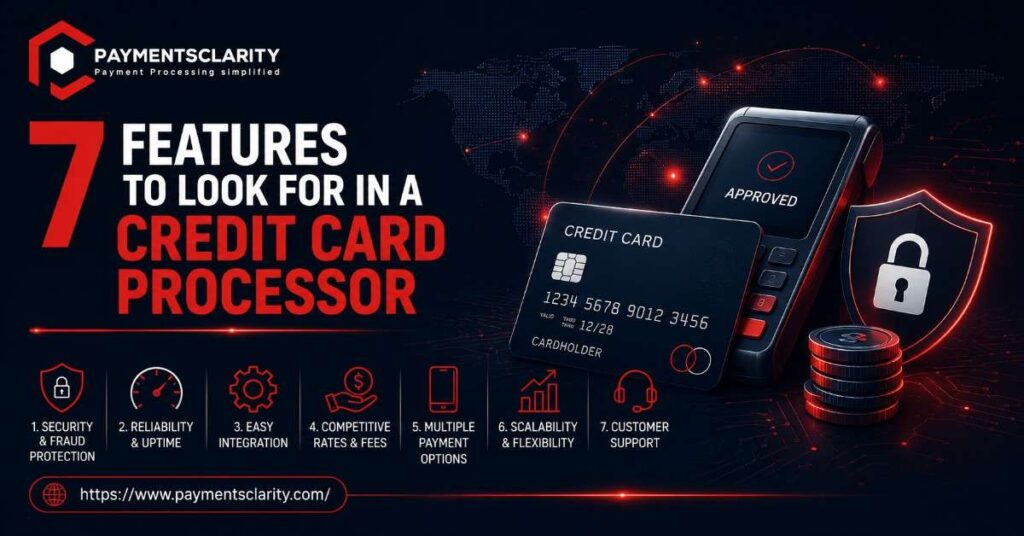
7 Features to Look for in a Credit Card Processor In today’s digital age, accepting credit cards is no longer a luxury for businesses; it’s a necessity. Whether you’re a brick-and-mortar store, an online retailer, or a service provider, offering a smooth and secure payment processing experience is crucial for attracting and retaining customers. But for merchants in high-risk industries, finding the right credit card processing can be a challenge. Traditional processors often shy away from businesses they deem too risky due to factors like high chargeback rates or the nature of the product or service offered. This leaves high-risk merchants scrambling for a reliable payment processing solution. However, don’t despair! There are credit card processing companies that cater specifically to high-risk businesses. But simply finding a processor willing to work with you isn’t enough. You need a partner that offers the features and support necessary to run your business smoothly and securely. 1. Specialization in High-Risk Processing This is the most crucial factor. Not all processors are created equal. While some may offer basic processing services, they might not be equipped to handle the unique challenges faced by high-risk businesses. Look for a processor with a proven track record of working with merchants in your industry. They should have a deep understanding of the specific risks associated with your business model and the risk tolerance of their sponsoring banks. 2. Competitive Rates and Fees High-risk processing often comes with higher fees compared to traditional merchant accounts. However, that doesn’t mean you should settle for exorbitant rates. Compare processing fees (transaction fees, monthly fees, chargeback fees, etc.) offered by different processors. Transparent pricing is key. Be wary of processors that hide fees or have complicated pricing structures. A reputable processor will provide a clear breakdown of all their costs before you sign any contracts. 3. Secure Payment Gateway Security is paramount for any business that processes credit cards. Look for a processor that offers a robust payment gateway with industry-standard security features like PCI-DSS compliance, tokenization, and encryption. This ensures that your customers’ sensitive financial information is protected throughout the transaction process. Consider processors that go beyond the baseline and offer additional security measures like multi-factor authentication and real-time fraud monitoring. 4. Multi-Channel Payment Processing Today’s customers expect a variety of payment options. Your chosen processor should allow you to accept payments through various channels, including: Online payments through a secure payment gateway on your website. In-person payments via a point-of-sale (POS) system. Mobile payments through contactless options or integration with mobile wallets. Offering a wider range of payment options can enhance your customer experience, improve conversion rates, and cater to a broader audience. 5. Advanced Fraud Prevention Tools Fraudulent transactions can be a major concern for high-risk businesses, especially those that operate online or deal with high-value transactions. Choose a processor that provides advanced fraud prevention tools like: Address Verification Service (AVS) for the purpose of validating the cardholder’s billing address. Card Verification Value (CVV) to verify the physical possession of the card. Velocity checks to identify suspicious patterns of transactions, such as a sudden surge in charges from a new customer. 3D Secure for additional authentication during online transactions, where the card issuer can require the cardholder to verify their identity before completing the purchase. These tools can help you minimize fraudulent activity and protect your business from financial losses. 6. Reliable Customer Support Finding a processor that offers responsive and knowledgeable customer support is crucial. High-risk businesses may face unique issues that require specialized assistance. Look for a processor with a dedicated support team that can answer your questions quickly and efficiently. 24/7 customer support is ideal, especially if you operate internationally or have customers in different time zones. Furthermore, consider the availability of support channels. Does the processor offer phone support, email support, or live chat options? 7. Reporting and Analytics Tools Data is king in today’s business world. Your credit card processor should provide you with robust reporting and analytics tools that allow you to: Track your transaction history and identify trends in sales volume, customer behavior, and chargeback rates. Analyze your sales performance across different channels (online store, physical store, mobile app) and identify areas for improvement. Gain insights into customer behavior and preferences, such as popular products, average order value, and preferred payment methods. This valuable information can be used to optimize your payment processing strategy, make data-driven business decisions, and ultimately increase your profitability. Bonus Feature: Account Management and Dedicated Account Representative For high-risk merchants, having a dedicated account representative can be a game-changer. This representative becomes your point of contact within the processing company and can provide personalized support tailored to your specific needs. They can help you: Navigate the onboarding process and ensure a smooth account setup. Develop a customized processing solution that meets your business requirements. Proactively monitor your account for suspicious activity and address any potential issues before they escalate. Stay updated on industry regulations and compliance requirements. Finding the Right Credit Card Processor for Your High-Risk Business Finding the right credit card processor for your high-risk business requires careful research and consideration. Don’t be afraid to shop around and compare different processors before making a decision. Here are some additional tips: Read online reviews and testimonials from other businesses in your industry. Ask for referrals from trusted partners or colleagues who operate in similar high-risk spaces. Schedule consultations with different processors to discuss your specific needs and ask questions about their features, fees, and support offerings. By prioritizing these key features and conducting thorough research, you can find a reliable credit card processor that empowers your high-risk business to thrive in the digital age. In Conclusion While navigating the world of credit card processing as a high-risk merchant can be challenging, it’s not insurmountable. By prioritizing features like specialization in high-risk processing, competitive rates, robust security, and advanced fraud prevention, you can ensure a smooth and secure payment experience for your customers. Additionally, Payments Clarity reliable customer support, comprehensive reporting tools, and a dedicated account representative can provide the extra layer of support your high-risk business needs to succeed. Remember, the right credit card processor can be a valuable partner in
Building Trust And Security: A Guide To Payment Gateway Compliance
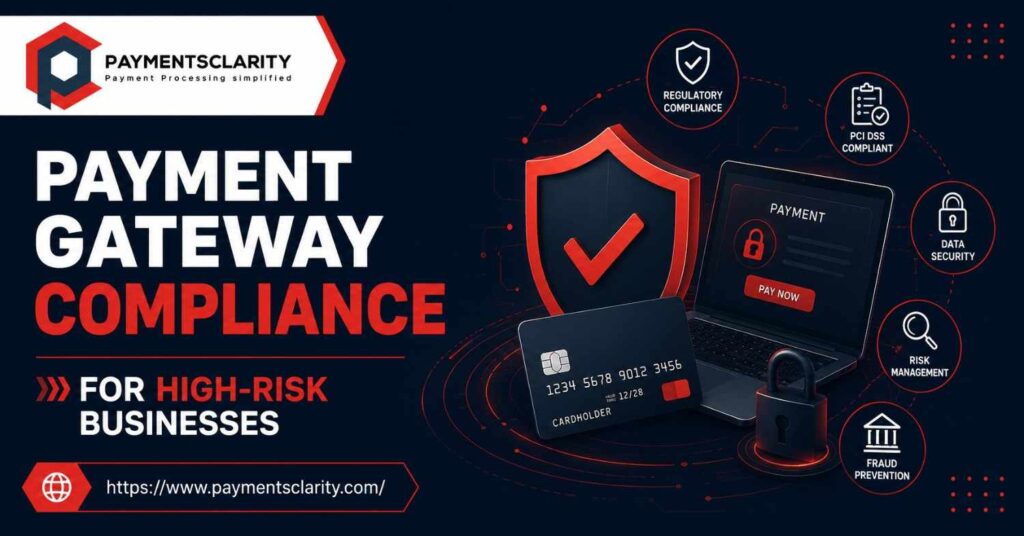
Payment Gateway Compliance for High-Risk Businesses: Navigate regulations, reduce chargebacks, and build trust with Payments Clarity.
The Ultimate Guide To Finding The Right Forex Brokers Payment Gateway in 2026
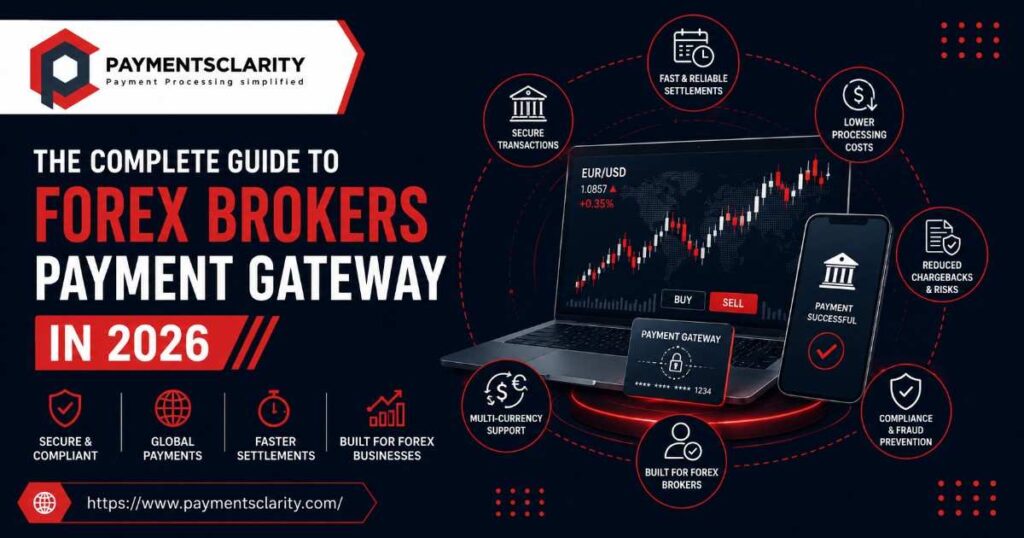
Struggling to find the right forex brokers payment gateway? Our guide explores key features, benefits, & considerations to empower your choice.
Why Your Business Needs Both Merchant Account & Payment Gateway
Secure online payment processing made easy. Merchant accounts & payment gateways explained. Find the right solution for your business.
Payment Gateway for Your Startup: The Complete Guide to Getting Paid Online
Blast off with your startup! Choose the perfect payment gateway for explosive growth – security, scalability, & customer focus.
Why SaaS Payment Processing is Crucial for High-Risk Businesses
High-risk biz struggling with payments? Looking for SaaS payment processing? Stop the stress! Payments Clarity offers expert solutions & 24/7 support.
Payment Gateways for International Transactions
Discover the power of payment gateways for international transactions. Optimize your cross-border sales and minimize costs. Unlock new markets effortlessly.